

The Number That Makes Refresh Decisions Harder to Ignore
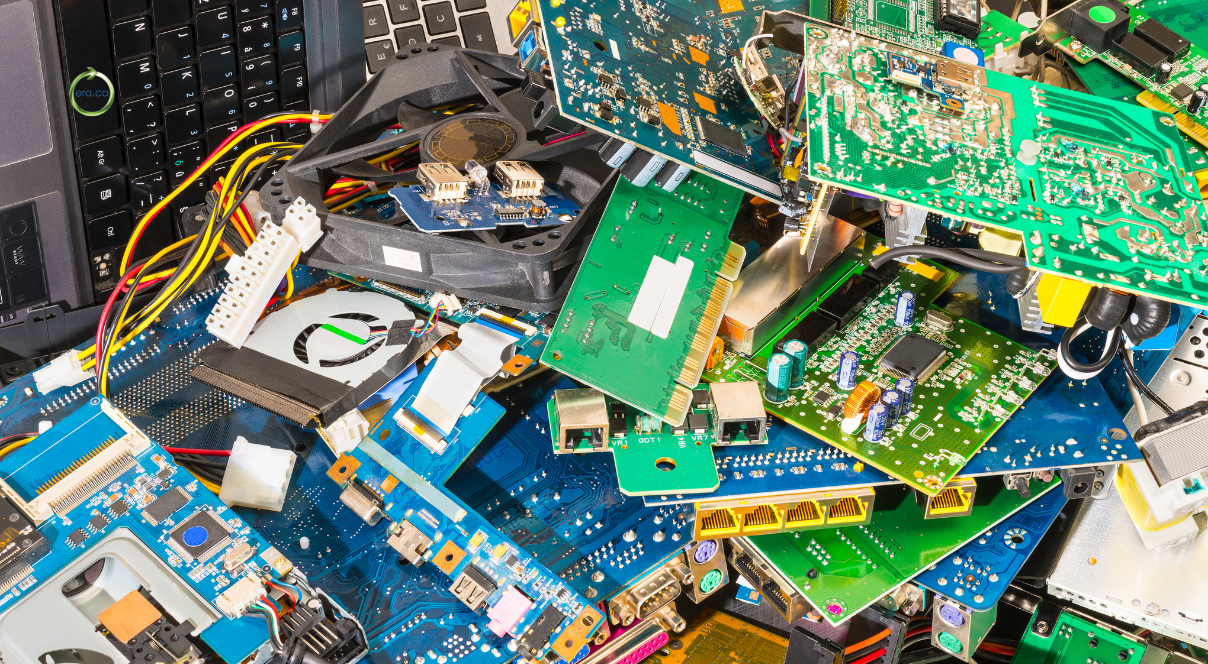
In 2022, the world produced an estimated 62 million tonnes of electronic waste, according to the World Health Organization. That figure has become the anchor point for nearly every conversation about e-waste, and it should be, because it represents one of the fastest-growing solid waste streams on the planet. The number matters most for what it implies about how organizations retire technology. Most of that volume comes from equipment replaced on schedule, decommissioned in bulk, and routed to disposal without much thought about what happens next, rather than from devices that failed catastrophically. Short refresh cycles and unplanned end-of-life routing are two of the largest contributors to the pile, and both are decisions that IT teams and operations leads make every year. The facts about e-waste that follow are decision inputs, and they should change how organizations plan their next hardware refresh.
What the Volume Figures Actually Measure
One of the first complications anyone encounters when researching facts about e waste is that the headline numbers don’t always agree. The WHO and other widely cited sources report 62 million tonnes for 2022. Other references place global volume at 50 to 60 million tons annually, and older datasets cite a range of 20 to 50 million metric tons. These are different snapshots rather than conflicting facts: the figures reflect different reference years, different methodologies, and sometimes different unit conventions (metric tons versus US short tons). The trajectory is consistent across all of them. Volume is large and growing.
The recycling figure deserves similar scrutiny. The commonly cited 22.3% global recycling rate for 2022 measures collection, not verified material recovery. A device counted as “recycled” when it enters a collection program may or may not be fully processed, and the materials inside it may or may not be recovered in a certified facility. Actual material recovery rates are almost certainly lower than 22.3%, which means less than 15 million tons of e-waste are recycled globally each year and roughly 45 million tons are disposed of through other channels. That gap between collection and recovery is one of the most important details a basic explainer tends to skip.
Growth Rate, Projections, and the Gap That Is Widening
The strongest recent trend figure comes from Green Alliance, which found that global e-waste volume increased by 21% between 2014 and 2019. That five-year acceleration is well-documented and independent of modeling assumptions. The projections beyond it carry more uncertainty. If current generation rates continue, the world is expected to produce more than 80 million tons of e-waste by 2030, a 33% increase from 2022 levels. Looking further out, some models suggest volume could double and exceed 120 million tons by 2050. Both projections are conditional on current trends holding, and shifts in right-to-repair legislation, extended producer responsibility programs, or device longevity standards could bend the curve.
What makes the trajectory more troubling is that the recycling rate is falling behind. The UN predicts the global collection and recycling rate may actually fall to 20% by 2030, driven by a widening gap between how much e-waste is generated and how much infrastructure exists to process it responsibly. Every refresh cycle decision an organization makes today compounds into that trajectory. Devices retired early and routed carelessly add volume to a system that’s already losing ground.
Why Recycling Rates Stay Low Despite a Clear Economic Case
This is the paradox that makes e-waste different from most other waste categories: the economics of recovery clearly favor recycling, yet the system barely recycles a quarter of what it produces. A 2018 study found that mining aluminum, copper, and gold is 13 times more expensive than collecting those same metals from properly recycled electronics. The materials inside discarded devices are genuinely valuable. For every one million cell phones recycled, processors can recover over 35,000 pounds of copper, 772 pounds of silver, 75 pounds of gold, and 33 pounds of palladium. Globally, unrecycled e-waste is estimated to contain $57 billion worth of recoverable precious metals sitting in landfills, warehouses, and informal dump sites.
So why does the recycling rate sit at 22.3% and trend downward? No single cause explains it, but several contributing factors are well understood:
- Infrastructure gaps mean many regions lack certified processing facilities capable of handling the volume.
- Informal processing operations, particularly in developing countries, handle a large share of discarded electronics outside any regulated recovery system.
- Export routing moves e-waste from countries with collection programs to countries without the infrastructure to process it safely, creating a geographic mismatch between where devices are collected and where they end up.
- The economics of collection and sorting at scale remain difficult, especially for low-value devices where the cost of responsible processing exceeds the recoverable material value.
The result is a system where the raw economics of material recovery are favorable, but the logistics, regulation, and routing infrastructure haven’t caught up. For organizations making end-of-life decisions, this means that simply placing devices into a recycling stream doesn’t guarantee the materials will actually be recovered. The routing choice matters as much as the recycling intention.
What Happens to E-Waste That Does Not Reach a Certified Processor
When electronic devices leave an organization’s hands and enter informal processing channels, the consequences are concrete and well-documented. Informal recycling operations, sometimes called backyard recyclers or digital dumpsites, break down electronics using methods that release toxic substances directly into the environment. Circuit boards are burned in open fires to recover copper. Acid baths strip gold from connectors. Plastic casings are melted or incinerated. These processes release lead, mercury, cadmium, brominated flame retardants, and other hazardous materials into the air, soil, and water surrounding processing sites.
The WHO has been particularly focused on the health consequences for children. In 2021, the organization released its first global report on e-waste and child health, calling for binding action to protect children from the growing threat. The International Labour Organization estimated that 16.5 million children were working in the industrial sector in 2020, of which waste processing is a subsector. Children living near informal e-waste sites face documented exposure to neurotoxins and carcinogens through contaminated air, dust, soil, and water, even when they aren’t directly involved in processing.
One frequently cited figure claims that Americans dump phones containing over $60 million in gold and silver every year. That number appears across multiple sources, but no published methodology supports it, so it’s better understood as illustrative of the scale rather than precise. What is well-documented is the export pattern: approximately 80% of e-waste from the United States is transported to Asia, where much of it enters informal processing streams. The problem is concrete. Devices that leave a North American office without certified end-of-life routing have a meaningful chance of ending up in exactly these conditions.
The Refresh Cadence Problem Most IT Plans Get Wrong
E-waste’s designation as the fastest-growing waste stream is partly a product of how organizations buy and retire technology. Procurement norms in many businesses and institutions default to three- or four-year replacement cycles regardless of whether the devices being replaced have actually reached the end of their functional life. A laptop that still runs well but falls outside a warranty window gets swapped out. A desktop that could serve another department for two more years gets palletized for disposal. These aren’t failures of individual judgment; they’re structural patterns built into how IT budgets and refresh schedules work.
The energy cost of premature retirement is real. Recycling one million laptops saves the energy equivalent to the electricity used by 3,657 US homes, according to EPA-sourced estimates. That figure quantifies what’s lost when functional devices are shredded rather than kept in use. Every device retired before its functional end of life represents wasted extraction, manufacturing, and transportation energy on top of the waste volume itself.
A reuse-first routing logic changes the math. Devices retired before end of functional life can be refurbished and redeployed rather than shredded, which reduces e-waste volume and extends the useful life of the materials already extracted. This doesn’t mean organizations should never replace hardware. It means the default end-of-life path should be evaluated rather than assumed. A device that still works is a resource that hasn’t finished its job.
Reuse and Donation as a First Routing Decision
For organizations in Canada, reuse-first routing through a non-profit model addresses both the waste problem and the digital divide simultaneously. Giving working devices a second life through charities and community groups keeps valuable technology in use rather than entering the waste stream prematurely. A school receiving refurbished laptops, a community organization getting functional desktops, a charity equipping its staff with reliable equipment: these are practical outcomes of treating donation as a first routing decision.
The honest framing is that not every donated device will be reused. Some equipment is too old, too damaged, or too specialized to serve another user, and those devices still require responsible recycling. A good reuse program acknowledges this and handles both streams. The Electronic Recycling Association, a Canadian non-profit dedicated to reducing electronic waste, operates on this model across Canada, offering pickup and drop-off programs that route working devices to charities and community groups while ensuring that non-functional equipment is processed responsibly. The goal is to make sure recycling is the second option, after reuse has been considered first.
What the Evidence Justifies Doing Now
The facts about e-waste covered here vary in confidence, and that matters for deciding what to act on versus what to monitor. The strongest findings support immediate action on three fronts. Shorter hold cycles increase e-waste volume, and this relationship is direct and well-established; organizations that extend functional device life by even one year reduce their contribution to the waste stream meaningfully. Reuse-first routing reduces waste more effectively than recycling alone, because it keeps materials in productive use rather than sending them through energy-intensive recovery processes. And recycling collection doesn’t guarantee material recovery; the 22.3% global recycling rate measures intake, not output, so the routing choice an organization makes (specifically where devices go and who processes them) matters more than the simple decision to recycle.
Some findings are worth watching but not yet worth building policy around. Projections beyond 2030 are model-dependent and could shift significantly if right-to-repair legislation gains traction, if extended producer responsibility programs expand, or if device manufacturers design for longer functional life. These trends are real but their pace and impact are uncertain. Organizations should track them without treating current projections as fixed.
The finding that would most change the answer is this: if domestic certified recycling infrastructure improves materially in North America, the export and informal processing problem shrinks, which would raise confidence in recycling as a sufficient end-of-life path on its own. Until that happens, the evidence points clearly toward reuse as the higher-value first step, with certified recycling as the responsible backup for devices that can’t serve another user.
For Canadian organizations planning their next IT refresh, the practical step is straightforward. Before palletizing retired equipment for disposal, evaluate what still works. Route functional devices to a reuse program that places them with charities and community groups. Route the rest to certified recycling repurposing and equipment donation. The Electronic Recycling Association offers both pickup and drop-off options across Canada, making it possible to build this routing logic into a refresh plan rather than treating end-of-life as an afterthought. The facts about e waste are clear enough to act on. The question is whether the next refresh cycle reflects them.