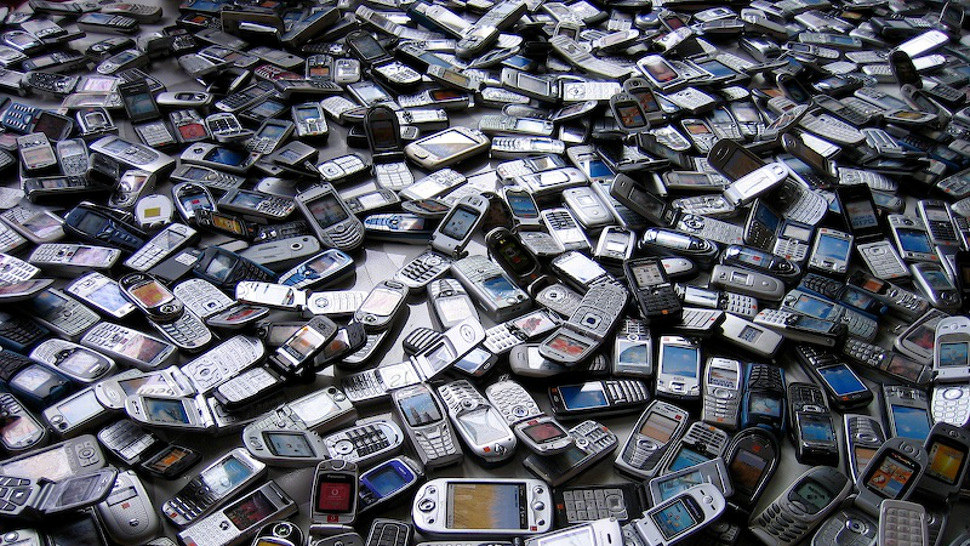
Do you know what hazardous materials and toxic materials in electronics you’re throwing out when disposing of your old phone?
The Risks of Unmanaged Electronic Waste
When it comes to disposing of our unwanted or used electronics do we really know where they go and how hazardous they can be to our environment? There are many toxic materials in electronics within our electronic devices—take a cell phone as an example which has over 500 components. Many of these contain toxic metals such as mercury, lead, beryllium, and cadmium—making improper disposal and recycling a major threat to human health and eco-systems.
Breakdown of Common Chemicals in Electronics and Plastics
Beyond heavy metals, modern smartphones rely heavily on engineered plastics and synthetic chemicals in electronics to ensure fire resistance and durability. Casing materials and internal circuitry are frequently treated with flame retardants, specifically brominated flame retardants, to prevent overheating. Flexible cables and outer components may also incorporate phthalates to increase elasticity.
While these substances serve a function during the device’s operational lifespan, improper waste handling causes these chemicals to leach. Chronic exposure to uncontained brominated flame retardants and synthetic compounds poses long-term health and environmental risks, underscoring why raw electronic equipment must never be incinerated or thrown into regular trash bins.
Chemical Composition of Displays, Circuitry, and Batteries
Touchscreen cell phones contain indium oxide and tin oxide which is used in a clear film on the screen. This mixture conducts electricity and allows the screen to function as a touchscreen. Most of the glass used in smartphones is an aluminosilicate glass, made from a mix of alumina and silica, along with some potassium ions for strength. As mentioned above, mercury is found in cell phones and is used for LCD screens. Mercury is possibly one of the most toxic chemicals to dispose of as it can contaminate the earth, water, and air if it is not disposed of correctly. The batteries and battery assembly in a phone also contains carbon, mercury, cadmium, chromium, other metals, and lithium cobalt oxide.
How Landfill Leachate Causes Severe Environmental Impact
Due to such hazardous chemicals and harmful substances, proper disposal is crucial to ensuring the health of our environment. Circuit boards and microchips that are found in phones, computers, and laptops contain lead and arsenic which are poisonous to living organisms in large amounts. While these are safely inside your phone when you are using it, once it ends up in a landfill the lead and arsenic leak into the soil, causing damage to our ecosystem. When hazardous waste is improperly burned at informal dumpsites, it releases toxic fumes into the atmosphere, creating immediate health risks for surrounding populations.
Severe Health Impacts on Vulnerable Populations and Children
According to research from global health authorities, including guidelines highlighted by the World Health Organization, the accumulation of heavy metals in local soil and water tables has devastating effects on human health. Developing bodies are particularly susceptible; children residing near unmanaged e-waste dumpsites face elevated exposure to lead, cadmium, and arsenic.
These toxic substances accumulate in tissues over time, leading to compromised environmental health, developmental delays, and organ damage. Preventing children and communities from breathing toxic fumes or ingesting contaminated water begins with strict corporate and individual management of end-of-life electronics.
Protecting Public Health and Stopping Environmental Hazards
All of these hazardous substances can cause serious health risks and impact our environment through many types of pollution; air, water, and soil pollution being the main three, aggravating overall environmental hazards.
The Solution: Responsible Disposal, Safe Recycling, and Asset Management
To stop the cycle of e-waste pollution, individuals and businesses must transition away from standard trash collection and embrace comprehensive e-waste management. Proper recycling not only isolates hazardous components but also allows experts to recover valuable materials—such as gold, silver, copper, and rare earth resources—reducing the need for destructive raw mining.
At the Electronic Recycling Association (ERA), we specialize in the safe handling, secure data wiping, and responsible disposal of obsolete electronics. Whether you have a single mobile phone or thousands of corporate IT assets, ERA provides tailored recycling services designed to protect both your data security and the environment.
Why Choose ERA for Your Electronics Disposal?
- Secure Data Destruction: Complete physical or software-based data wiping ensures your private information is permanently erased.
- Community Donation Programs: Functioning equipment is refurbished and gifted to charities, schools, and families in need.
- Comprehensive Pickup Services: We offer convenient collection options for corporate offices managing bulk IT waste.
Actionable Steps for Safe Recycling and E-Waste Reduction
To save our environment and to ensure our health isn’t at risk, we should dispose of our electronic devices correctly and carefully. Sustainable management of e-waste helps preserve natural resources and protects community health. Some ways to do this is as follows:
- Hand them down to a friend or member of the family.
- Recycle them through certified e-waste facilities once they reach the end of life.
- Donate them to a local charity or non-profit organization like ERA.
- Give them to an organization who will ensure your data is wiped, recover valuable materials, and ensure your device finds a new home.
Partner with ERA for Responsible Disposal Today
If you have any questions in regards to disposing of your unwanted or used electronics, or if you wish to schedule a pickup for your home or business waste, please contact [email protected] or visit www.era.ca for more information. Let’s all work together through efficient e-waste management and recycling to create a cleaner and safer environment for the future!